Drain Cleaning for your home
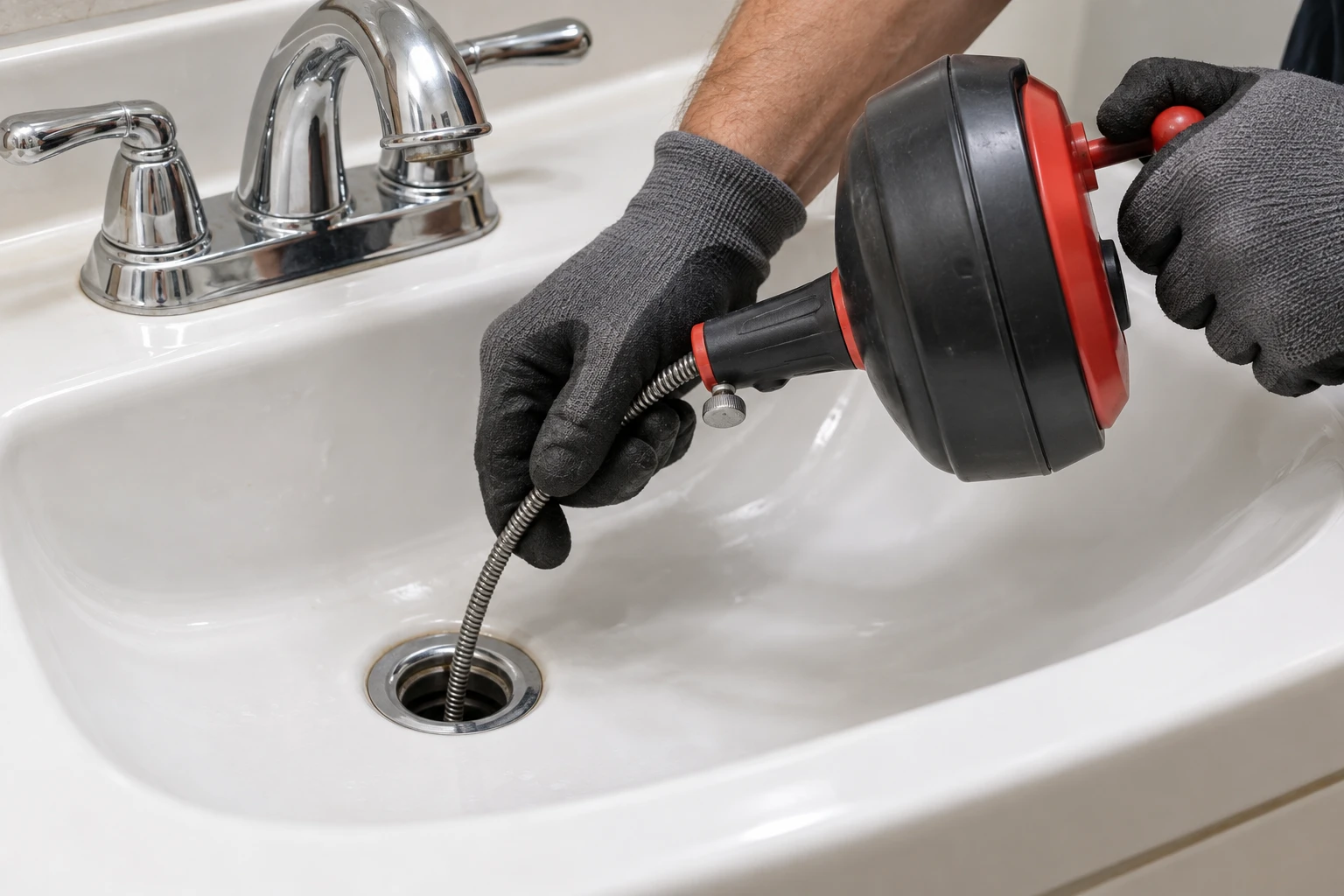
Slow sinks, standing water, or drains that keep backing up deserve a closer look. M&M Plumbing clears residential drain blockages and helps you understand what caused the problem.
How we can help
- Kitchen and bathroom sink drains
- Tub and shower drains
- Floor drains and main sewer lines
- Recurring blockages and slow drainage
What to have ready when you call
Tell us which fixtures are affected, when the problem began, and whether more than one drain is backing up. We assess the blockage and explain the recommended work before getting started.
What causes drain blockages?
Blockages often develop gradually as material collects inside a pipe. In kitchens, grease and food scraps can build up over time. In bathrooms, hair and soap residue commonly collect around stoppers and inside drains. Toilets can become blocked by excessive paper or items that do not break down in water. Too much or too little drain pitch can also contribute to clogs.
A slow drain, gurgling, or a clog that keeps returning can be a sign of buildup farther along the line. If several fixtures back up together, the problem may involve a shared drain or sewer line rather than a single sink. Stop using affected fixtures and call to discuss an assessment.
Keep these items out of your drains
- Cooking grease, fats, and oil: Let them cool and put them in a suitable container for disposal with household waste. Running hot water does not reliably keep grease from building up farther down the pipe.
- Food scraps: Keep coffee grounds, rice, pasta, eggshells, and fibrous scraps out of sink drains. A garbage disposal does not make every food item suitable for your plumbing.
- Hair: Use a drain catcher in showers and tubs, and clean it regularly. Remove buildup from accessible sink stoppers before water starts draining slowly.
- Wipes and hygiene products: Put wipes, paper towels, cotton swabs, sanitary products, and dental floss in the trash, even when wipes are labeled flushable. Flush only toilet paper and human waste.
- Paint, solvents, and construction debris: Keep them out of household drains and follow appropriate local disposal instructions.
Simple habits that help prevent clogs
Use sink strainers, scrape plates before washing, empty drain catchers regularly, and address recurring slow drainage early. Avoid repeatedly relying on chemical drain cleaners to mask an unresolved blockage. If you have used a drain-cleaning product, tell the plumber what you used before service begins.
These habits help reduce everyday buildup, but they cannot prevent every blockage. Damaged piping, roots, or a problem farther along the line may need professional assessment.
Common questions
When should I call about a clogged drain?
Call when a blockage keeps returning, multiple drains are affected, or wastewater backs up. Stop using affected fixtures until the problem can be assessed.
Do you serve both Rogersville and Greeneville?
Yes. Our home base is in Rogersville, and our Greeneville operations warehouse supports service in Greene County. Call the line for your area to discuss your address and scheduling.
How do I get an estimate?
Call or submit a request using our contact form. Include your location and a description of the problem or project. We will discuss the information needed and the next step for an estimate.