Water Filter & Softener Installation for your home
M&M Plumbing installs residential water filters and softeners in Rogersville, Greeneville, and surrounding communities. We help review the plumbing connections and installation requirements for a system selected around your water conditions and household use.
How we can help
- Water filter plumbing connections and installation
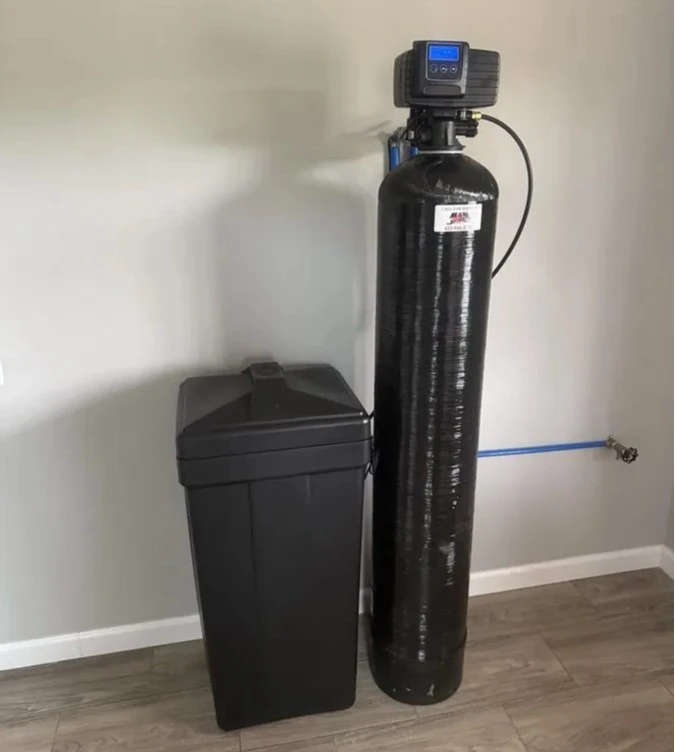
- New and replacement water softener installation
- Bypass and shutoff arrangements
- Installation planning with water-test results
What to have ready when you call
Have recent water-test results, your water source, household size, and any selected equipment specifications ready. Tell us about available installation space and existing treatment equipment.
Start with a water test
Hardness is primarily associated with dissolved calcium and magnesium. It can contribute to scale and soap residue. Test the water before choosing treatment so the equipment addresses the actual concern. A softener is not a general solution for unsafe drinking water.
What a softener can help with
A conventional ion-exchange softener removes hardness minerals. The right system may help reduce hardness-related deposits on fixtures and make cleaning easier. Filters and softeners serve different purposes; sediment, taste, or other water concerns may require separate treatment.
Learn more: University of Minnesota Extension water-quality guidance.
Water filters and softeners: what is the difference?
A softener reduces hardness. Conventional ion-exchange equipment removes calcium and magnesium, helping address hardness-related scale and soap residue. It does not replace treatment for every water-quality concern.
A filter targets particular substances. What it removes depends on its design and verified performance claims. An ordinary sediment or carbon filter generally does not soften hard water.
Common filtration options
- Sediment filters: Capture particles such as sand and rust, according to the filter’s particle rating. They do not remove all dissolved substances.
- Activated carbon filters: Often improve chlorine-related taste and odor. Removal of other substances depends on the specific product and its certification.
- Reverse osmosis: Often used at a drinking-water tap to reduce selected dissolved substances. Review the model’s certified claims, water use, maintenance, and installation requirements.
No filter removes everything. Match independently certified reduction claims to the substances identified in your water test, rather than choosing equipment based only on taste or appearance.
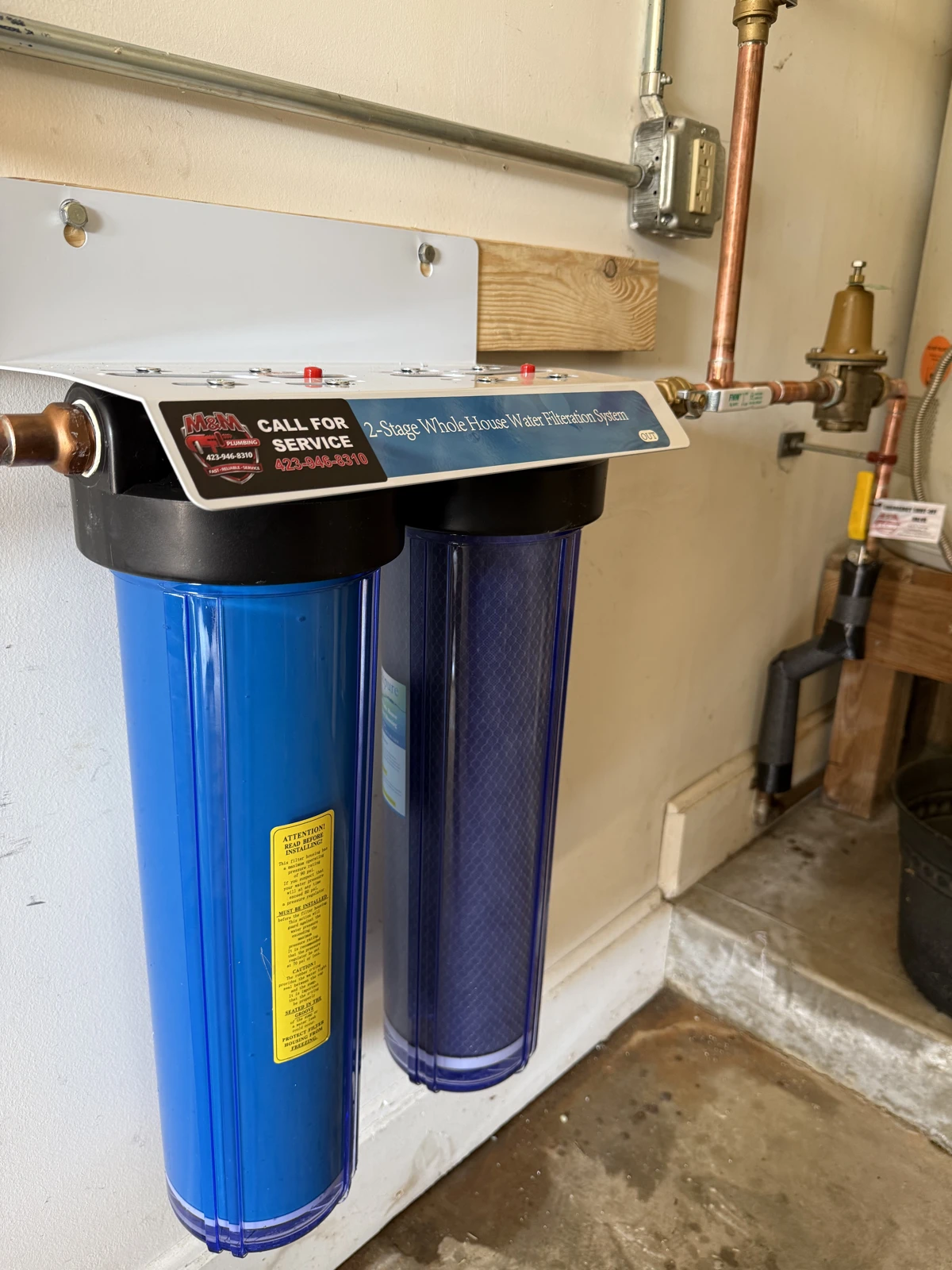
Whole-home or drinking-water filtration?
A whole-home system treats water as it enters the house; a point-of-use system treats water at a particular tap. Choose the approach around the problem, desired flow, and fixtures you want to serve. Ask how cartridge changes, bypass access, and ongoing costs affect the installation.
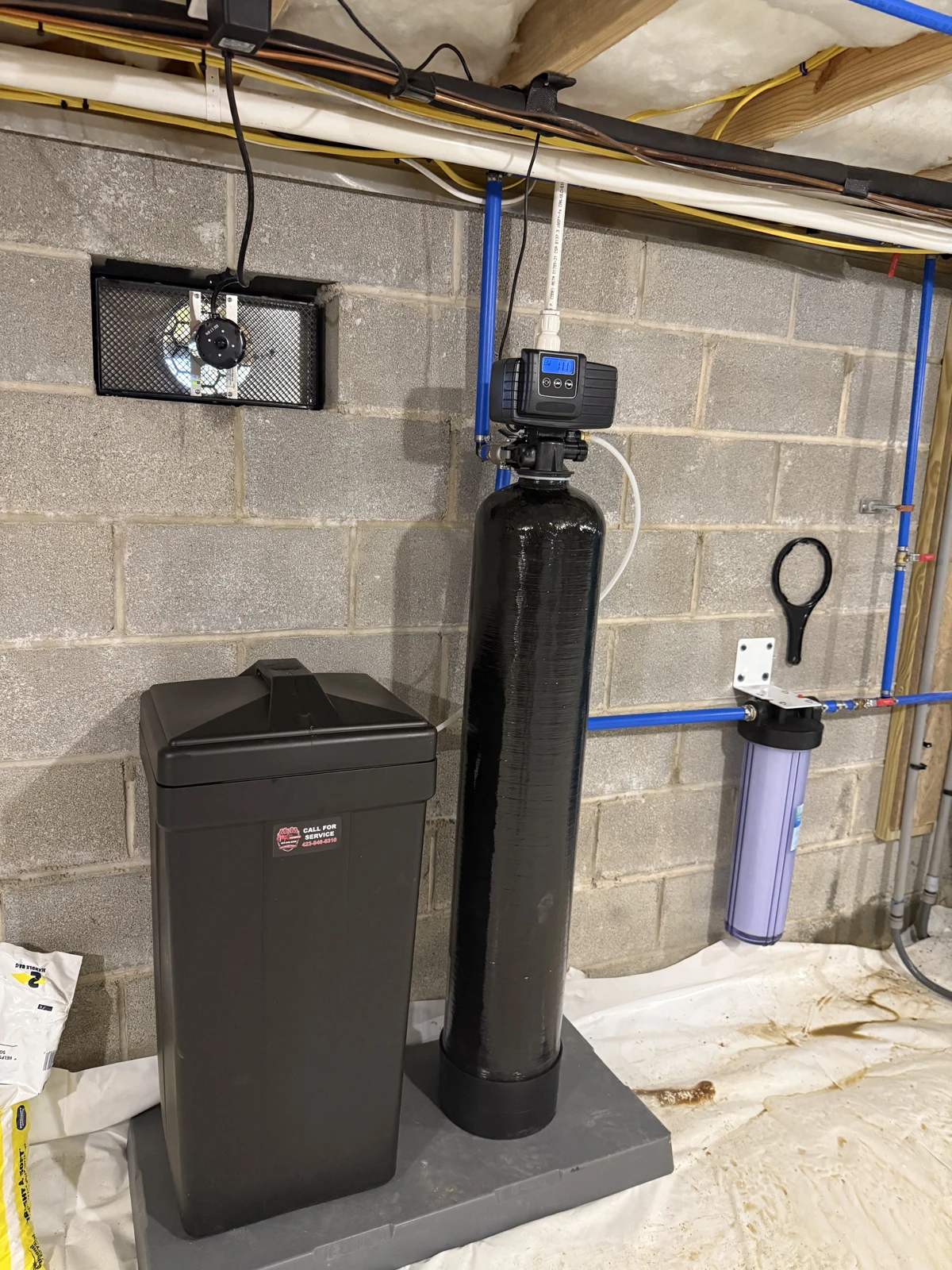
When might you need both?
A home with hard water and sediment may benefit from separate softening and filtration stages. If hardness is the only concern, extra filtration may be unnecessary. Review test results and manufacturer requirements to choose the equipment and installation sequence.
Learn more: CDC guidance on choosing home water filters.
Plan the installation space
- Capacity: Equipment selection should account for measured hardness and household water use.
- Connections: Review the incoming water line, bypass arrangement, and which fixtures will receive treated water.
- Drain and power: Confirm the manufacturer’s discharge and electrical requirements before choosing the location.
- Access: Leave room for service and replenishing salt where required.
Understand ongoing maintenance
Follow the equipment instructions for salt, settings, cleaning, and service. Replace filter cartridges or media on the manufacturer’s schedule and monitor changes in flow. Confirm ongoing maintenance costs before choosing equipment. Conventional systems use salt during regeneration and discharge wastewater; appropriate settings matter for efficient operation. Keep the bypass location and operating instructions accessible.
More information: Residential water softening.
Common questions
Is a water softener the same as a water filter?
No. A softener targets hardness, while filters address particular substances depending on their design. Testing helps determine whether softening, filtration, or another treatment is appropriate.
Do you serve both Rogersville and Greeneville?
Yes. Our home base is in Rogersville, and our Greeneville operations warehouse supports service in Greene County. Call the line for your area to discuss your address and scheduling.
How do I get an estimate?
Call or submit a request using our contact form. Include your location and a description of the problem or project. We will discuss the information needed and the next step for an estimate.