Water Heater Repair & Installation for your home
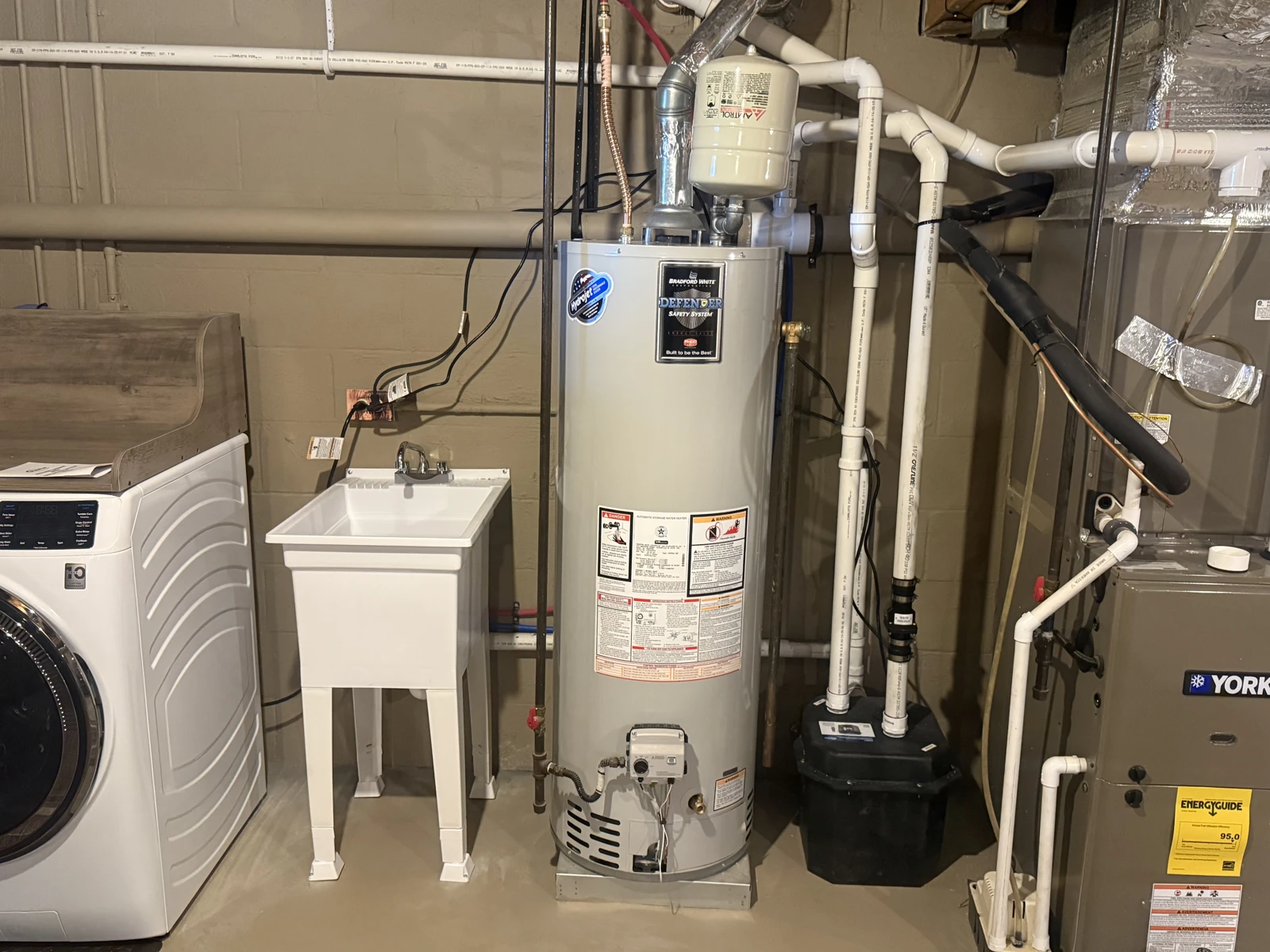
We service and install residential tank and tankless water heaters. Whether your unit needs a repair or you are considering a replacement, we help you discuss the options for your home and hot-water needs.
How we can help
- Tank water heater repair
- Tankless water heater service
- Replacement and new installation
- Maintenance and plumbing connections
What to have ready when you call
Have the make, model, approximate age, and symptoms ready when you call. Tell us about changes in hot-water supply, unusual noise, or visible water around the unit.
Tank or tankless: which fits your home?
Tank water heaters
A tank stores hot water for use throughout the home. A like-for-like replacement can be a practical choice when existing connections suit the new unit.
- Often a lower upfront installation cost.
- A stored supply handles demand until the hot water is depleted.
- Capacity and recovery rate need to match household use.
Tankless water heaters
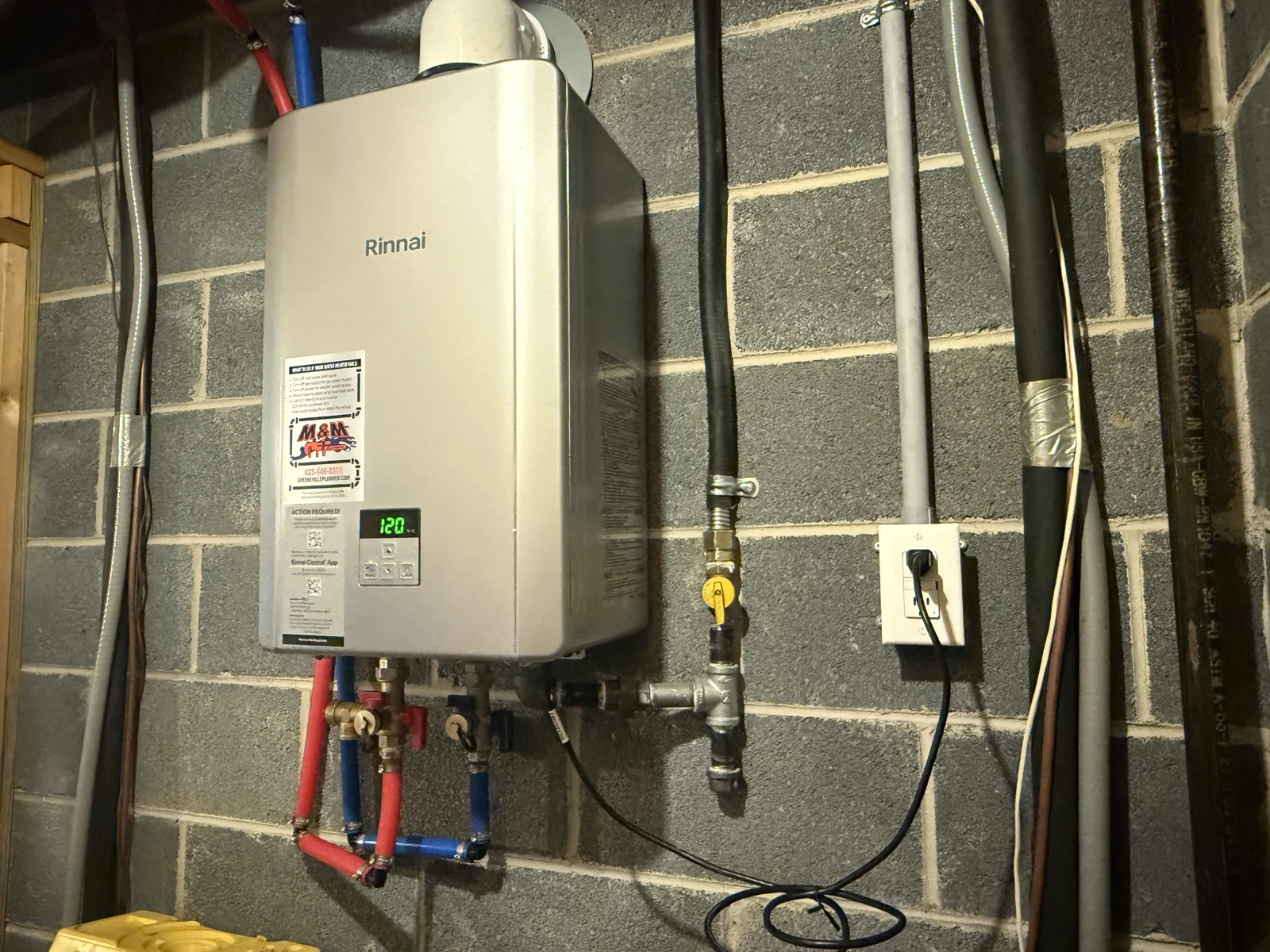
A tankless unit heats water as it flows through, avoiding the need to keep a storage tank hot.
- Compact equipment can free up space.
- Continuous hot water within the unit’s rated flow capacity.
- Potential energy savings compared with conventional storage equipment.
Tankless is not unlimited: simultaneous showers and appliances can exceed capacity. Conversion may require gas, electrical, or venting upgrades, and maintenance matters with either type. Compare installation cost, fuel, water quality, and household demand. A heat-pump storage heater is another option to consider when efficiency is a priority. Ask us to review the choices for your property.
Learn more: Tankless water heaters and storage water heaters.
Signs your water heater needs attention
- Less hot water, no hot water, or changing temperatures.
- Water around the unit or its connections.
- New rumbling or popping sounds.
- Discolored hot water or an unusual odor.
- Repeated faults or repairs.
These symptoms call for assessment; they do not automatically mean replacement. Water beside a heater may come from a connection or another nearby source.
Repair or replace?
A repair may make sense when the fault is isolated, the unit is otherwise sound, and parts are available. Replacement is usually necessary when the storage tank itself has failed and leaks. Age, condition, warranty, repair cost, and whether the heater still meets your needs all affect the decision.
For water heaters older than 10 years, we recommend considering replacement, especially if the unit needs frequent repairs or no longer provides reliable hot water.
Have the model, serial number, approximate age, and symptoms ready when you call. We can assess the cause and discuss repair and replacement options before you choose.
More guidance: When to repair or replace a water heater.
What to do if your water heater fails
If your heater is leaking or appears unsafe, take these steps only when you can do so safely. Keep clear of hot water and wet electrical equipment.
Smell gas or hear a carbon monoxide alarm? Leave the building immediately. From a safe location outside, call 911 and your gas utility. Do not operate electrical switches, use a phone inside, or attempt to shut down or repair the heater.
- Turn off the energy supply. For an electric heater, switch off its dedicated breaker only if the panel and your access are dry and safe. For a gas heater, follow the unit’s instructions to set its gas control to OFF. Some gas heaters also use electricity; follow the manufacturer’s shutdown instructions. If you are unsure, stop and call for help.
- Stop the water if the heater is leaking. Locate the cold-water inlet shutoff, usually above the heater. Turn a wheel-style valve clockwise; turn a lever-style valve a quarter turn so the handle is perpendicular to the pipe. Do not force a stuck valve.
- Leave pressure relief and draining to guidance. Ask the plumber whether opening a hot-water faucet is appropriate for your situation. Do not open the temperature-and-pressure relief valve or drain the tank yourself; escaping water can be very hot.
- Call M&M Plumbing. Describe the leak or loss of hot water, the heater type, and which supplies you have shut off. Call (423) 946-8310 for Rogersville or (423) 588-0317 for Greeneville. Hours: Monday–Friday, 8 a.m.–5 p.m.
Do not restart the heater until it has been assessed and you have been advised it is safe to do so.
Safety guidance: A. O. Smith’s leaking water heater guidance and gas emergency precautions.
Common questions
Should I repair or replace my water heater?
The right choice depends on the problem, condition, age, and repair cost. An assessment helps compare repairing the existing unit with installing a replacement.
Do you serve both Rogersville and Greeneville?
Yes. Our home base is in Rogersville, and our Greeneville operations warehouse supports service in Greene County. Call the line for your area to discuss your address and scheduling.
How do I get an estimate?
Call or submit a request using our contact form. Include your location and a description of the problem or project. We will discuss the information needed and the next step for an estimate.